![The Future of Work[Space]](https://i0.wp.com/thefutureofwork.space/wp-content/uploads/2024/01/rocket-logo-bg-1.png?fit=418%2C418&ssl=1)
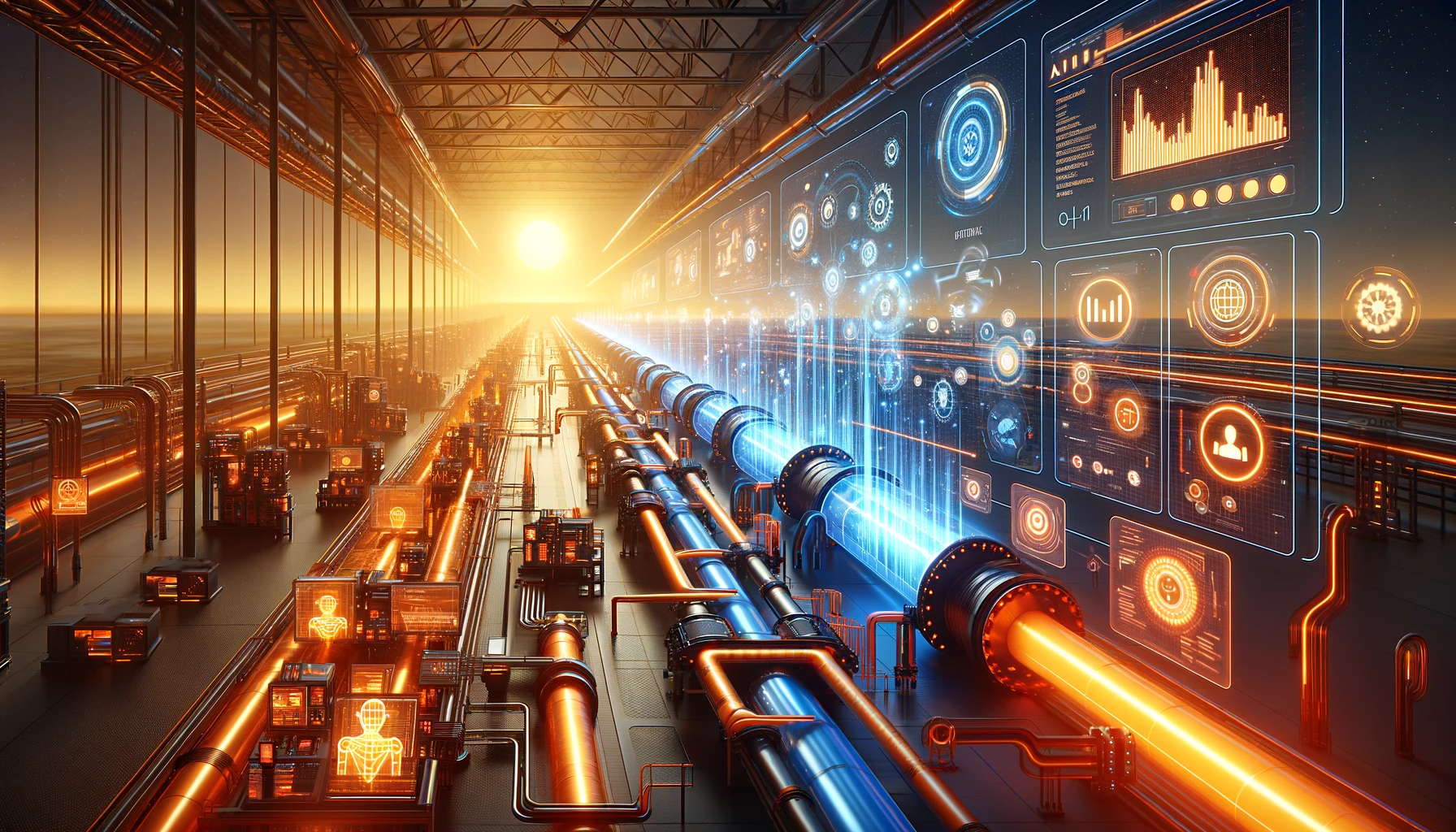
In the burgeoning realm of artificial intelligence, organizations and individuals alike stand at the precipice of a technological revolution. The allure of AI is undeniable—its potential to optimize productivity, automate mundane tasks, and even reduce interpersonal friction is a siren call to innovators and enterprises worldwide. However, the rapid pace of AI adoption prompts a pivotal question: In our haste to integrate AI into our lives and workplaces, are we setting the stage for unprecedented efficiency, or are we blindly courting unforeseen consequences?
The Double-Edged Sword of Rapid AI Implementation
The velocity at which AI technologies are being developed and deployed is breathtaking. On one hand, this rapid evolution allows businesses and individuals to quickly reap the benefits of AI, such as enhanced decision-making capabilities and operational efficiencies. Yet, this accelerated approach carries inherent risks. Hastily implemented AI systems may not be thoroughly vetted for ethical considerations, data privacy issues, or potential biases, potentially leading to flawed decision-making or even reputational damage. Therefore, while the impetus to embrace AI swiftly is understandable, a more measured approach, prioritizing thorough testing and ethical considerations, may yield more sustainable and responsible outcomes.
AI as a Catalyst for Personal Productivity and Harmonious Interaction
The promise of AI to elevate personal productivity and mitigate interpersonal friction is one of its most compelling propositions. By leveraging AI-driven tools, individuals can streamline their workflows, automate repetitive tasks, and allocate more time to creative and strategic endeavors. For instance, AI-powered personal assistants can manage schedules, prioritize emails, and even provide insights into optimizing daily routines.
Moreover, AI holds the potential to enhance interpersonal dynamics. By analyzing communication patterns and providing real-time feedback, AI can guide individuals in fostering more constructive and empathetic interactions. This not only augments productivity but also cultivates a more collaborative and positive work environment. Nonetheless, this optimistic scenario hinges on the careful design and ethical application of AI, ensuring that it supports rather than supplants the human touch.
The Automation of Routine Tasks: A Liberation or a Cage?
The automation of routine tasks stands as one of the most tangible benefits of AI. This shift not only enhances efficiency but also liberates human talent to tackle more complex and creative challenges. However, this transition is not without its dilemmas. As routine tasks become the domain of machines, the human workforce must adapt, acquiring new skills and embracing continuous learning. Moreover, the question of job displacement looms large, necessitating thoughtful strategies to ensure a just transition for those whose roles are transformed by AI.
The Peril of Overreliance: Will AI Ingrain Bad Behaviour?
As we integrate AI more deeply into our daily lives and decision-making processes, a critical concern arises: Will reliance on AI erode our critical thinking and decision-making skills? The convenience of AI solutions might lead to a scenario where humans become passive recipients of AI-generated decisions, potentially atrophying their problem-solving and analytical abilities.
Furthermore, the opacity of some AI systems can lead to a “black box” scenario, where decisions are made without clear insight into the underlying rationale. This not only hampers learning and improvement but also raises accountability issues. Hence, fostering a culture of transparency, continuous learning, and critical engagement with AI systems is paramount to prevent the potential erosion of essential human skills.
Conclusion: A Balanced Trajectory
As we navigate the AI revolution, the path forward demands a balance. The potential of AI to transform our professional and personal lives is immense, but so are the challenges and ethical considerations it brings. Embracing AI with a mindset of cautious optimism, prioritizing responsible and ethical implementation, and fostering a culture of continuous learning and adaptability, can steer us towards a future where AI acts as a force multiplier for human potential, rather than a substitute. The AI journey is as much about technology as it is about people—nurturing a symbiotic relationship between the two will be the cornerstone of sustainable progress in the AI-enhanced world.